Head lice are tiny, wingless insects that live on the human scalp and feed on small amounts of blood. They're about the size of a sesame seed and move quickly, making them hard to spot.Lice are not dangerous, and they don’t spread disease — but they are annoying and very contagious, especially among children. There are three forms of lice:
Good news: Lice can’t jump or fly, and they only live on people, not on pets or furniture.
“Superlice” are head lice that have developed resistance to common over-the-counter (OTC) treatments, especially those that use pesticides like permethrin or pyrethrin. That means many traditional lice shampoos just don’t work anymore — no matter how many times you use them.
Why Aren’t They Dying?
Over time, lice have evolved. Repeated exposure to the same chemicals has allowed some to adapt and survive — and they pass that resistance on to their offspring. This is why some parents find that even after treatment lice are still crawling, eggs keep hatching, and the itch just won’t go away!
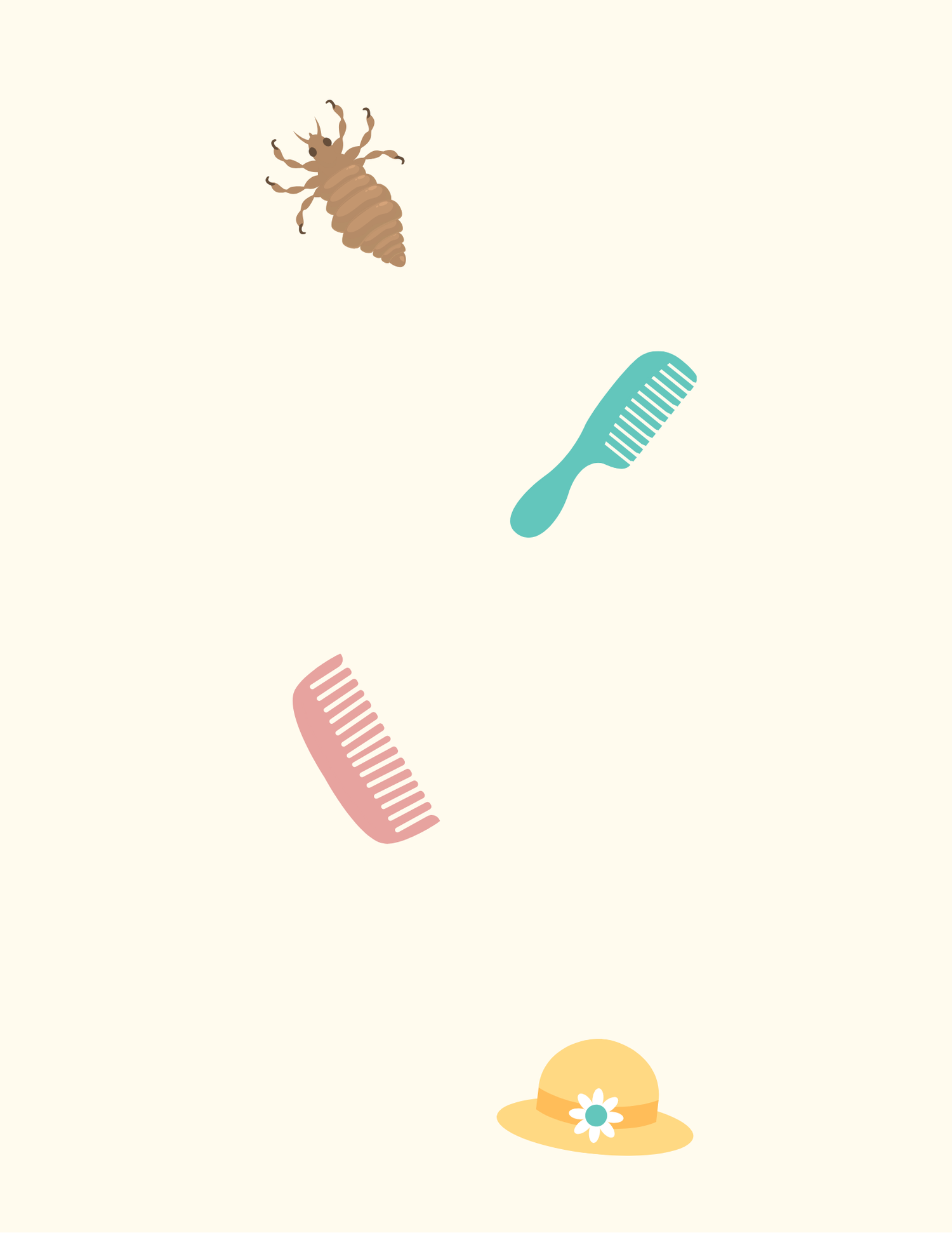
The best way to check for lice is to use a fine-tooth lice comb on wet hair and look closely at the scalp and roots.
Step-by-step:
💡 Tip: Nits are often mistaken for dandruff, but they don’t brush off easily.
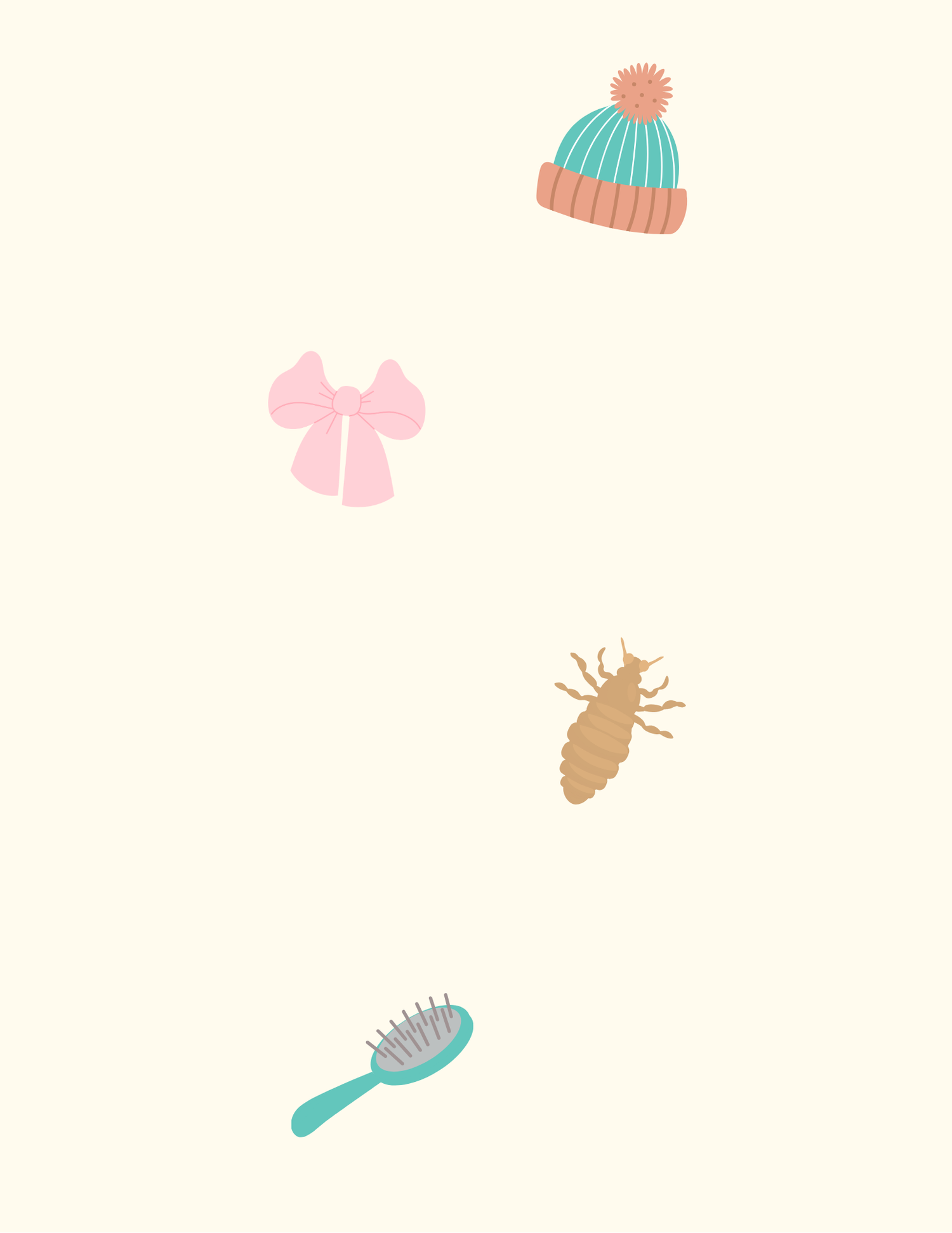
They spread through direct head-to-head contact — it’s that simple. They can’t fly or jump, but they are fast little crawlers. That means lice move from one person to another when heads are close together.
Most Common Ways Lice Spread:
Lice Don't Spread From:
Key Fact:
It only takes one adult louse to start an infestation. Once it's on the scalp, it can lay eggs in just a day or two — so early detection matters!
☑️ Save {Initial discount} on the first order, then {Recurring discount} off forever
☑️ Get exclusive discounts & VIP access
☑️ Skip, pause or cancel anytime